

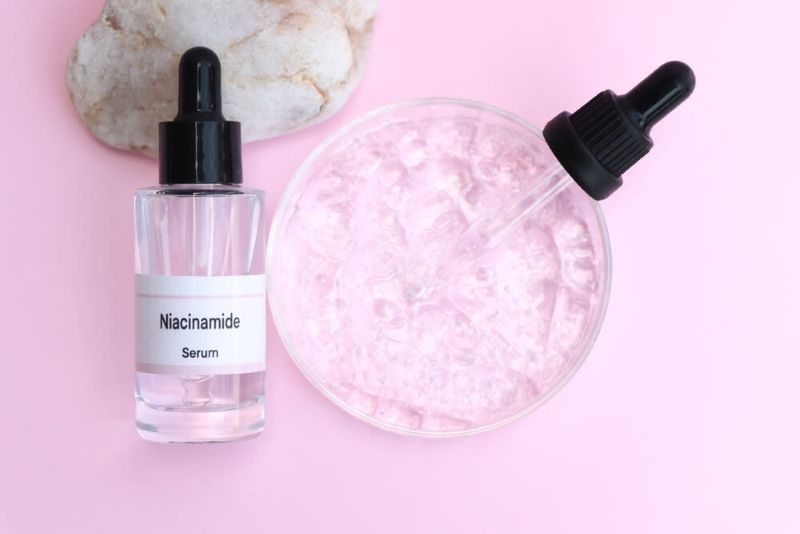
Skincare usually gets overcomplicated. Too many steps, too many products, and too many promises that do not hold up past the first few weeks. What actually works tends to be far simpler. One ingredient that keeps proving this point is niacinamide.
Niacinamide is not new, and it is not trendy in the usual sense. It shows up in routines because it solves common skin problems without forcing the skin to adjust or recover. People keep using it because it fits easily into daily life and produces steady results instead of short-term changes.
If you are trying to understand what is niacinamide, how it fits into real routines, and whether it is worth using long term, this article breaks it down in plain terms.
Let’s start with the basics, without overcomplicating it.
What is niacinamide?
Niacinamide is a form of vitamin B3. Your body needs vitamin B3 to keep cells functioning properly, including skin cells. In skincare, niacinamide is used because it supports how the skin behaves day to day.
Niacinamide is not the same as niacin. Niacin can cause flushing when taken in high doses. Niacinamide does not. That difference matters because it makes niacinamide for skin much easier to use consistently.
Another reason niacinamide shows up everywhere is stability. It holds up well in formulas, works across different skin types, and does not clash with most other ingredients.
Niacinamide for skin does not force quick changes. It works quietly in the background.
It supports the skin barrier, which is the outer layer that keeps moisture in and irritation out. When the barrier is weak, skin dries out faster, reacts more often, and struggles to recover. Strengthening that barrier changes how skin looks and feels over time.
Niacinamide also affects oil production. Instead of stripping oil away, it helps the skin regulate it. That difference matters, especially for people who deal with shine, clogged pores, or breakouts caused by over-drying products.
This is why niacinamide skincare works for both oily and dry skin, which sounds contradictory until you see how it actually behaves.
Read More: Niacinamide for Acne Scars: Dermatologist-Approved Care
Most niacinamide benefits show up gradually. That is part of why the ingredient is trusted.
One of the most common reasons people use niacinamide skincare is uneven tone. With consistent use, niacinamide can reduce the look of dark spots and leftover marks from breakouts.
Skin often feels rough or uneven when hydration and barrier function are off. Niacinamide helps normalize that over time, leading to skin that feels more balanced instead of constantly reactive.
Niacinamide for skin helps reduce excess oil without creating dryness. Many people notice their skin looks calmer and less shiny throughout the day.
Niacinamide has anti-inflammatory properties. That makes it useful for skin that flushes easily, reacts to weather changes, or struggles with sensitivity.
Fine lines and loss of firmness are often linked to barrier damage and dehydration. Niacinamide benefits include improved elasticity when used consistently over months, not days.
There are many niacinamide uses across skincare, and the format you choose matters.
Serums are the most direct way to apply niacinamide. Concentrations usually fall between 2 percent and 10 percent. Lower strengths work well for sensitive skin. Higher strengths are often chosen for oil control and visible pores.
Niacinamide skincare often includes moisturizers. This is a good option if you want steady support without adding extra layers to your routine.
Some cleansers and toners include niacinamide. These products offer lighter benefits and work best when combined with leave-on products.
Niacinamide uses also include treatments for pores, uneven tone, and post-acne marks. These products focus on specific concerns while staying gentle.
Also check: Ceramides in Skincare & What They Are For, Why You Need Them
Niacinamide fits easily into a simple routine.
A basic routine:
Niacinamide can be used once or twice daily. Most people tolerate it well, but starting slow is always a good idea.
Niacinamide skincare does not deliver overnight changes. Results usually appear after a few weeks and improve with continued use.
Niacinamide works well alongside other common skincare ingredients.
It pairs well with:
Older advice suggested separating niacinamide and vitamin C, but modern formulas allow them to be used together safely.
Niacinamide is generally well tolerated. Some people may notice mild redness or tingling, especially when starting with higher concentrations.
To reduce issues:
If irritation happens, using the product less often usually fixes it.
More to Discover: Best Sunscreen for Sensitive Skin That Protects Your Skin
Niacinamide does not chase quick results. It improves the basics, which leads to better-looking skin over time. That is why it keeps showing up in routines year after year.
If you want skincare that works quietly and consistently, niacinamide for skin is one of the safest places to invest.
Niacinamide works because it respects how skin actually functions. It does not overload the skin or push it into rapid change. Instead, it supports balance, repair, and consistency, which is what most people are missing in their routines.
Niacinamide skincare meets every requirement because its implementation needs no major changes from existing skincare routines. The product works with other products while providing results that develop over time to suit various skin types.
For anyone looking to simplify their routine without giving up results, niacinamide for skin remains a practical, reliable choice that earns its place through steady use, not hype.
Niacinamide is used to improve uneven tone, regulate oil, calm redness, and support the skin barrier.
Yes. Most niacinamide skincare products are designed for daily use and can be used morning and night.
Niacinamide for skin is often suitable for sensitive skin because it supports barrier repair and reduces inflammation.
This content was created by AI